
Search
found 300 results
Images for [empty query]; more images...


Urban comfort in a future compact city: Analysis of open-space qualities i…
Research papers, Lincoln University
The increase in urban population has required cities to rethink their strategies for minimising greenhouse gas impacts and adapting to climate change. While urban design and planning policy have been guided by principles such as walkability (to reduce the dependence on cars) and green infrastructure (to enhance the quality of open spaces to support conservation and human values), there have been conflicting views on what spatial strategies will best prepare cities for a challenging future. Researchers supporting compact cities based upon public Transit Oriented Development have claimed that walkability, higher density and mixed-uses make cities more sustainable (Owen, 2009) and that, while green spaces in cities are necessary, they are dull in comparison with shopfronts and street vendors (Speck, 2012, p 250). Other researchers claim that green infrastructure is fundamental to improving urban sustainability and attracting public space users with improved urban comfort, consequently encouraging walkability (Pitman and Ely, 2013). Landscape architects tend to assume that ‘the greener the better’; however, the efficiency of urban greenery in relation to urban comfort and urbanity depends on its density, distribution and the services provided. Green infrastructure can take many forms (from urban forests to street trees) and provide varied services (amended microclimate, aesthetics, ecology and so forth). In this paper, we evaluate the relevance of current policy in Christchurch regarding both best practice in green infrastructure and urban comfort (Tavares, 2015). We focus on the Christchurch Blueprint for rebuilding the central city, and critically examine the post-earthquake paths the city is following regarding its green and grey infrastructures and the resulting urban environment. We discuss the performance and appropriateness of the current Blueprint in post-earthquake Christchurch, particularly as it relates to the challenges that climate change is creating for cities worldwide.
Building resilience in transient rural communities – a post-earthquake reg…
Research papers, Lincoln University
The Kaikoura earthquake in November 2016 highlighted the vulnerability of New Zealand’s rural communities to locally-specific hazard events, which generate regional and national scale impacts. Kaikoura was isolated with significant damage to both the east coast road (SH1) and rail corridor, and the Inland Road (Route 70). Sea bed uplift along the coast was significant – affecting marine resources and ocean access for marine operators engaged in tourism and harvesting, and recreational users. While communities closest to the earthquake epicentre (e.g., Kaikoura, Waiau, Rotherham and Cheviot) suffered the most immediate earthquake damage, the damage to the transport network, and the establishment of an alternative transport route between Christchurch and Picton, has significantly impacted on more distant communities (e.g., Murchison, St Arnaud and Blenheim). There was also considerable damage to vineyard infrastructure across the Marlborough region and damage to buildings and infrastructure in rural settlements in Southern Marlborough (e.g., Ward and Seddon).
Lessons learned from liquefaction of the Canterbury Earthquake Sequence (2…
Research papers, Lincoln University
Liquefaction affects late Holocene, loose packed and water saturated sediment subjected to cyclical shear stress. Liquefaction features in the geological record are important off-fault markers that inform about the occurrence of moderate to large earthquakes (> 5 Mw). The study of contemporary liquefaction features provides a better understanding of where to find past (paleo) liquefaction features, which, if identified and dated, can provide information on the occurrence, magnitude and timing of past earthquakes. This is particularly important in areas with blind active faults. The extensive liquefaction caused by the 2010-2011 Canterbury Earthquake Sequence (CES) gave the geoscience community the opportunity to study the liquefaction process in different settings (alluvial, coastal and estuarine), investigating different aspects (e.g. geospatial correlation with landforms, thresholds for peak ground acceleration, resilience of infrastructures), and to collect a wealth geospatial dataset in the broad region of the Canterbury Plains. The research presented in this dissertation examines the sedimentary architecture of two environments, the alluvial and coastal settings, affected by liquefaction during the CES. The novel aim of this study is to investigate how landform and subsurface sedimentary architecture influence liquefaction and its surface manifestation, to provide knowledge for locating studies of paleoliquefaction in future. Two study cases documented in the alluvial setting showed that liquefaction features affected a crevasse splay and point bar ridges. However, the liquefaction source layer was linked to paleochannel floor deposits below the crevasse splay in the first case, and to the point bar deposits themselves in the second case. This research documents liquefaction features in the coastal dune system of the Canterbury Plains in detail for the first time. In the coastal dune setting the liquefiable layer is near the surface. The pore water pressure is vented easily because the coastal dune soil profile is entirely composed of non-cohesive, very well sorted sandy sediment that weakly resists disturbance from fluidised sediment under pressure. As a consequence, the liquefied flow does not need to find a specific crack through which the sediment is vented at the surface; instead, the liquefied sand finds many closely spaced conduits to vent its excess of pore water pressure. Therefore, in the coastal dune setting it is rare to observe discrete dikes (as they are defined in the alluvial setting), instead A horizon delamination (splitting) and blistering (near surface sills) are more common. The differences in styles of surface venting lead to contrasts in patterns of ejecta in the two environments. Whereas the alluvial environment is characterised by coalesced sand blows forming lineations, the coastal dune environment hosts apparently randomly distributed isolated sand blows often associated with collapse features. Amongst the techniques tested for the first time to investigate liquefaction features are: 3D GPR, which improved the accuracy of the trenching even six years after the liquefaction events; thin section analysis to investigate sediment fabric, which helped to discriminate liquefied sediment from its host sediment, and modern from paleoliquefaction features; a Random Forest classification based on the CES liquefaction map, which was used to test relationships between surface manifestation of liquefaction and topographic parameters. The results from this research will be used to target new study sites for future paleoliquefaction research and thus will improve the earthquake hazard assessment across New Zealand.
What is the place of nature in the urban regeneration of central Christchu…
Research papers, Lincoln University
Please contact supervisor Lin Roberts at Lincoln University to request a copy of this dissertation to read.Cities around the world are becoming greener, with many striving to make their cities as green as possible. Christchurch was devastated by an Earthquake in 2011, which resulted in many fatalities. Though this impacted the city negatively, this sad event was used as an opportunity for the broken city to become a better one. The Christchurch City Council (CCC) ran an exercise called ‘Share an Idea’, which asked the public what they wanted the new city to look like. The main theme extrapolated by researchers was that people wanted the city to be greener. A draft plan was created by the CCC but was deemed not good enough and replaced by a new plan called the Blueprint Plan created by the government. Through the process of public consultation to the finalized plan and the implementation of the finalized plan, there were many changes made to the inclusion of nature into Central Christchurch’s urban regeneration. The aim of this research is to assess the role of nature in the urban regeneration of Christchurch, by evaluating the recovery process, and comparing the level of greenness the public wanted by looking at what they said in Share an Idea, and then seeing how that translated into the proposed plans, and then finally looking at what is being implemented.
Government Building Worcester Street – Building for the Future
Articles, Lost Christchurch
The construction of government buildings have long attracted opinion and criticism and the Italian Renaissance style Government Buildings on the corner of Worcester street and Cathedral Square were…
Empirical vulnerability assessment of reinforced concrete frame with mason…
Research papers, The University of Auckland Library
During the 2010/2011 Canterbury earthquakes, Reinforced Concrete Frame with Masonry Infill (RCFMI) buildings were subjected to significant lateral loads. A survey conducted by Christchurch City Council (CCC) and the Canterbury Earthquake Recovery Authority (CERA) documented 10,777 damaged buildings, which included building characteristics (building address, the number of storeys, the year of construction, and building use) and post-earthquake damage observations (building safety information, observed damage, level of damage, and current state of the buildings). This data was merged into the Canterbury Earthquake Building Assessment (CEBA) database and was utilised to generate empirical fragility curves using the lognormal distribution method. The proposed fragility curves were expected to provide a reliable estimation of the mean vulnerability for commercial RCFMI buildings in the region. http://www.13thcms.com/wp-content/uploads/2017/05/Symposium-Info-and-Presentation-Schedule.pdf VoR - Version of Record
20170321_4180_7D2-70 Still bent and broken (12/52)
Images, eqnz.chch.2010
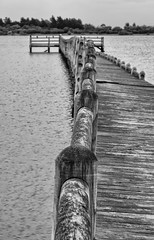
73 months after the earthquake that damaged it, the jetty at South New Brighton Domain is still not repaired. Seven years ago it was straight and level. Dull, flat and orrible (horrible) light meant this image was destined to become monochrome!
Remembrance (129/365)
Images, eqnz.chch.2010
20170509_6305_7D2-62 Remembrance (129/365) Today was the first time I have been to the earthquake memorial since it was completed and opened on 22nd February 2017, six years after the devastating quake that killed the 185 that are named on this wall. I knew two of the people on the list.
20170704_9090_7D2-24 Only two left (185/365)
Images, eqnz.chch.2010
Only two of 20 houses left in the Rawhiti Earthquake Village. This from the sign on perimeter fence: "Since 2011, Rawhiti Domain has been used to provide temporary accommodation for those affected by the Canterbury earthquakes. Over 200 households have used the 20 houses while their own homes have been repaired or rebuilt. The demand for acco...
20170918_6084_7D2-41 Demolition still happening (260/365)
Images, eqnz.chch.2010
20170918_6084_7D2-41 Demolition still happening (260/365) Six ½ years after the earthquakes there are still a few demolitions taking place. This one is a block of council owned flats. Whether the whole complex is being demolished or not I don't know., but here the centre block of three is being demolished. The green grass is what was sections...
20171103_5588_1D3-70 Cabbage Tree in the Red Zone
Images, eqnz.chch.2010
An impressive Cabbage Tree (Cordyline australis) that was in someone's back yard prior to the demolition of houses post the 2011 earthquake.
Trees in the Red Zone (307/365)
Images, eqnz.chch.2010
20171103_5582_1D3-38 Trees in the Red Zone (307/365) In what used to be sections with houses and yards. Between late 2011 and 2014 the houses (well 95% of them) were removed due to land dropping in the 2011 earthquakes and the proximity of the Avon River, tidal in this area. #8859
20171103_5586_1D3-66 Phoenix Palm in the Red Zone
Images, eqnz.chch.2010
A Phoenis Palm (Phoenix canariensis) that was in someone's back yard prior to the demolition of houses post the 2011 earthquake.
Insuring earthquakes: How would the Californian and Japanese insurance pro…
Research papers, Victoria University of Wellington
Earthquakes are insured only with public sector involvement in high-income countries where the risk of earthquakes is perceived to be high. The proto-typical examples of this public sector involvement are the public earthquake insurance schemes in California, Japan, and New Zealand (NZ). Each of these insurance programs is structured differently, and the purpose of this paper is to examine these differences using a concrete case-study, the sequence of earthquakes that occurred in the Christchurch, New Zealand, in 2011. This event turned out to have been the most heavily insured earthquake event in history. We examine what would have been the outcome of the earthquakes had the system of insurance in NZ been different. In particular, we focus on the public earthquake insurance programs in California (the California Earthquake Authority - CEA), and in Japan (Japanese Earthquake Reinsurance - JER). Overall, the aggregate cost to the public insurer in NZ was $NZ 11.1 billion in its response to the earthquakes. If a similar-sized disaster event had occurred in Japan and California, homeowners would have received $NZ 2.5 billion and $NZ 1.4 billion from the JER and CEA, respectively. We further describe the spatial and distributive patterns of these different scenarios.
The influence of housing typologies on livability and community resilience…
Research papers, University of Canterbury Library
This research attempts to understand whether community resilience and perceived livability are influenced by housing typologies in Christchurch, New Zealand. Using recent resident surveys undertaken by the Christchurch City Council, two indexes were created to reflect livability and community resilience. Indicators used to create both indexes included (1) enjoyment living in neighbourhood (2) satisfaction with local facilities (3) safety walking and (4) safety using public transport, (5) sense of community (6) neighbour interactions, (7) home ownership and (8) civic engagement. Scores were attributed to 72 neighbourhoods across Christchurch –and each neighbourhood was classified in one of the following housing typologies; (1) earthquake damaged, (2) relatively undamaged, (3) medium density and (4) greenfield developments. Spatial analysis of index scores and housing classifications suggest housing typologies do influence resident’s perceived livability and community bonds to an extent. It was found that deprivation also had a considerable influence on these indexes as well as residential stability. These additional influences help explain why neighbourhoods within the same housing classification differ in their index scores. Based on these results, several recommendations have been made to the CCC in relation to future research, urban development strategies and suburb specific renewal projects. Of chief importance, medium density neighbourhoods and deprived neighbourhoods require conscious efforts to foster community resilience. Results indicate that community resilience might be more important than livability in having a positive influence on the lived experience of residents. While thoughtful design and planning are important, this research suggests geospatial research tools could enable better community engagement outcomes and planning outcomes, and this could be interwoven into proactive and inclusive planning approaches like placemaking.
Ground motion simulations of great earthquakes on the Alpine Fault: effect…
Research papers, University of Canterbury Library
© 2017 The Royal Society of New Zealand. This paper discusses simulated ground motion intensity, and its underlying modelling assumptions, for great earthquakes on the Alpine Fault. The simulations utilise the latest understanding of wave propagation physics, kinematic earthquake rupture descriptions and the three-dimensional nature of the Earth's crust in the South Island of New Zealand. The effect of hypocentre location is explicitly examined, which is found to lead to significant differences in ground motion intensities (quantified in the form of peak ground velocity, PGV) over the northern half and southwest of the South Island. Comparison with previously adopted empirical ground motion models also illustrates that the simulations, which explicitly model rupture directivity and basin-generated surface waves, lead to notably larger PGV amplitudes than the empirical predictions in the northern half of the South Island and Canterbury. The simulations performed in this paper have been adopted, as one possible ground motion prediction, in the ‘Project AF8’ Civil Defence Emergency Management exercise scenario. The similarity of the modelled ground motion features with those observed in recent worldwide earthquakes as well as similar simulations in other regions, and the notably higher simulated amplitudes than those from empirical predictions, may warrant a re-examination of regional impact assessments for major Alpine Fault earthquakes.
In situ ground evaluation by deep soil mixing
Research papers, University of Canterbury Library
Between 2010 and 2011, Canterbury experienced a series of four large earthquake events with associated aftershocks which caused widespread damage to residential and commercial infrastructure. Fine grained and uncompacted alluvial soils, typical to the Canterbury outwash plains, were exposed to high peak ground acceleration (PGA) during these events. This rapid increase in PGA induced cyclic strain softening and liquefaction in the saturated, near surface alluvial soils. Extensive research into understanding the response of soils in Canterbury to dynamic loading has since occurred. The Earthquake Commission (EQC), the Ministry of Business and Employment (MBIE), and the Christchurch City Council (CCC) have quantified the potential hazards associated with future seismic events. Theses bodies have tested numerous ground improvement design methods, and subsequently are at the forefront of the Canterbury recovery and rebuild process. Deep Soil Mixing (DSM) has been proven as a viable ground improvement foundation method used to enhance in situ soils by increasing stiffness and positively altering in situ soil characteristics. However, current industry practice for confirming the effectiveness of the DSM method involves specific laboratory and absolute soil test methods associated with the mixed column element itself. Currently, the response of the soil around the columns to DSM installation is poorly understood. This research aims to understand and quantify the effects of DSM columns on near surface alluvial soils between the DSM columns though the implementation of standardised empirical soil test methods. These soil strength properties and ground improvement changes have been investigated using shear wave velocity (Vs), soil behaviour and density response methods. The results of the three different empirical tests indicated a consistent improvement within the ground around the DSM columns in sandier soils. By contrast, cohesive silty soils portrayed less of a consistent response to DSM, although still recorded increases. Generally, within the tests completed 50 mm from the column edge, the soil response indicated a deterioration to DSM. This is likely to be a result of the destruction of the soil fabric as the stress and strain of DSM is applied to the un‐mixed in situ soils. The results suggest that during the installation of DSM columns, a positive ground effect occurs in a similar way to other methods of ground improvement. However, further research, including additional testing following this empirical method, laboratory testing and finite 2D and 3D modelling, would be useful to quantify, in detail, how in situ soils respond and how practitioners should consider these test results in their designs. This thesis begins to evaluate how alluvial soils tend to respond to DSM. Conducting more testing on the research site, on other sites in Christchurch, and around the world, would provide a more complete data set to confirm the results of this research and enable further evaluation. Completing this additional research could help geotechnical DSM practitioners to use standardised empirical test methods to measure and confirm ground improvement rather than using existing test methods in future DSM projects. Further, demonstrating the effectiveness of empirical test methods in a DSM context is likely to enable more cost effective and efficient testing of DSM columns in future geotechnical projects.
The once and future cathedral
Research papers, University of Canterbury Library
This is an ethnographic case study, tracking the course of arguments about the future of a city’s central iconic building, damaged following a major earthquake sequence. The thesis plots this as a social drama and examines the central discourses of the controversy. The focus of the drama is the Anglican neo-Gothic Christ Church Cathedral, which stands in the central square of Christchurch, New Zealand. A series of major earthquakes in 2010/2011 devastated much of the inner city, destroying many heritage-listed buildings. The Cathedral was severely damaged and was declared by Government officials in 2011 to be a dangerous building, which needed to be demolished. The owners are the Church Property Trustees, chaired by Bishop Victoria Matthews, a Canadian appointed in 2008. In March 2012 Matthews announced that the Cathedral, because of safety and economic factors, would be deconstructed. Important artefacts were to be salvaged and a new Cathedral built, incorporating the old and new. This decision provoked a major controversy, led by those who claimed that the building could and should be restored. Discourses of history and heritage, memory, place and identity, ownership, economics and power are all identified, along with the various actors, because of their significance. However, the thesis is primarily concerned with the differing meanings given to the Cathedral. The major argument centres on the symbolic interaction between material objects and human subjects and the various ways these are interpreted. At the end of the research period, December 2015, the Christ Church Cathedral stands as a deteriorating wreck, inhabited by pigeons and rats and shielded by protective, colourfully decorated wooden fences. The decision about its future remains unresolved at the time of writing.
Post Seismic Capacity of Damaged and Repaired Reinforced Concrete Plastic …
Research papers, University of Canterbury Library
This paper presents preliminary results of an experimental campaign on three beam-column joint subassemblies extracted from a 22-storey reinforced concrete frame building constructed in late 1980s at the Christchurch’s Central Business District (CBD) area, damaged and demolished after the 2010-2011 Canterbury earthquakes sequence (CES). The building was designed following capacity design principles. Column sway (i.e., soft storey) mechanisms were avoided, and the beams were provided with plastic hinge relocation details at both beam-ends, aiming at developing plastic hinges away from the column faces. The specimens were tested under quasi-static cyclic displacement controlled lateral loading. One of the specimens, showing no visible residual cracks was cyclically tested in its as-is condition. The other two specimens which showed residual cracks varying between hairline and 1.0mm in width, were subjected to cyclic loading to simulate cracking patterns consistent with what can be considered moderate damage. The cracked specimens were then repaired with an epoxy injection technique and subsequently retested until reaching failure. The epoxy injection techniques demonstrated to be quite efficient in partly, although not fully, restoring the energy dissipation capacities of the damaged specimens at all beam rotation levels. The stiffness was partly restored within the elastic range and almost fully restored after the onset of nonlinear behaviour.
Understanding the longer-term experience of community inclusion for wheelc…
Research papers, University of Canterbury Library
Background The 2010/2011 Canterbury earthquakes and aftershocks in New Zealand caused unprecedented destruction to the physical, social, economic, and community fabric of Christchurch city. The recovery phase in Christchurch is on going, six years following the initial earthquake. Research exploring how disabled populations experience community inclusion in the longer-term recovery following natural disasters is scant. Yet such information is vital to ensure that recovering communities are inclusive for all members of the affected population. This thesis specifically examined how people who use wheelchairs experienced community inclusion four years following the 2010/2011 Canterbury earthquakes. Aims The primary research aim was to understand how one section of the disability community – people who use wheelchairs – experienced community inclusion over the four years following the 2010/2011 Canterbury earthquakes and aftershocks. A secondary aim was to test a novel sampling approach, Respondent Driven Sampling, which had the potential to enable unbiased population-based estimates. This was motivated by the lack of an available sampling frame for the target population, which would inhibit recruitment of a representative sample. Methodology and methods An exploratory sequential mixed methods design was used, beginning with a qualitative phase (Phase One), which informed a second quantitative phase (Phase Two). The qualitative phase had two stages. First, a small sample of people who use wheelchairs participated in an individual, semi-structured interview. In the second stage, these participants were then invited to a group interview to clarify and prioritise themes identified in the individual interviews. The quantitative phase was a cross-sectional survey developed from the findings from Phase One. Initially, Respondent Driven Sampling was employed to conduct a national, electronic cross-sectional survey that aimed to recruit a sample that may provide unbiased population-based estimates. Following the unsuccessful application of Respondent Driven Sampling, a region-specific convenience sampling approach was used. The datasets from the qualitative and quantitative phases were integrated to address the primary aim of the research. Results In Phase One 13 participants completed the individual interviews, and five of them contributed to the group interview. Thematic analysis of individual and group interview data suggested that participants felt the 2010/11 earthquakes magnified many pre-existing barriers to community inclusion, and also created an exciting opportunity for change. This finding was encapsulated in five themes: 1) earthquakes magnified barriers, 2) community inclusion requires energy, 3) social connections are important, 4) an opportunity lost, and 5) an opportunity found. The findings from Phase One informed the development of a survey instrument to investigate how these findings generalised to a larger sample of individuals who use wheelchairs. In Phase Two, the Respondent Driven Sampling approach failed to recruit enough participants to satisfy the statistical requirements needed to reach equilibrium, thereby enabling the calculation of unbiased population estimates. The subsequent convenience sampling approach recruited 49 participants who, combined with the 15 participants from the Respondent Driven Sampling approach that remained eligible for the region-specific sample, resulted in the total of 64 individuals who used wheelchairs and were residents of Christchurch. Participants reported their level of community inclusion at three time periods: the six months prior to the first earthquake in September 2010 (time one), the six months following the first earthquake in September 2010 (time two), and the six months prior to survey completion (between October 2015 and March 2016, (time three)). Survey data provided some precision regarding the timing in which the magnified barriers developed. Difficulty with community inclusion rose significantly between time one and time two, and while reducing slightly, was still present during time three, and had not returned to the time one baseline. The integrated findings from Phase One and Phase Two suggested that magnified barriers to community inclusion had been sustained four years post-earthquake, and community access had not returned to pre-earthquake levels, let alone improved beyond pre-earthquake levels. Conclusion Findings from this mixed methods study suggest that four years following the initial earthquake, participants were still experiencing multiple magnified barriers, which contributed to physical and social exclusion, as well as fatigue, as participants relied on individual agency to negotiate such barriers. Participants also highlighted the exciting opportunity to create an accessible city. However because they were still experiencing barriers four years following the initial event, and were concerned that this opportunity might be lost if the recovery proceeds without commitment and awareness from the numerous stakeholders involved in guiding the recovery. To truly realise the opportunity to create an accessible city following a disaster, the transition from the response phase to a sustainable longer-term recovery must adopt a new model of community engagement where decision-makers partner with people living with disability to co-produce a vision and strategy for creating an inclusive community. Furthermore, despite the unsuccessful use of Respondent Driven Sampling in this study, future research exploring the application of RDS with wheelchair users is recommended before discounting this sampling approach in this population.
A least invasive method to estimate the residual strain capacity of steel …
Research papers, University of Canterbury Library
Capacity design and hierarchy of strength philosophies at the base of modern seismic codes allow inelastic response in case of severe earthquakes and thus, in most traditional systems, damage develops at well-defined locations of reinforced concrete (RC) structures, known as plastic hinges. The 2010 and 2011 Christchurch earthquakes have demonstrated that this philosophy worked as expected. Plastic hinges formed in beams, in coupling beams and at the base of columns and walls. Structures were damaged permanently, but did not collapse. The 2010 and 2011 Christchurch earthquakes also highlighted a critical issue: the reparability of damaged buildings. No methodologies or techniques were available to estimate the level of subsequent earthquakes that RC buildings could still sustain before collapse. No repair techniques capable of restoring the initial condition of buildings were known. Finally, the cost-effectiveness of an eventual repair intervention, when compared with a new building, was unknown. These aspects, added to nuances of New Zealand building owners’ insurance coverage, encouraged the demolition of many buildings. Moreover, there was a perceived strong demand from government and industry to develop techniques for assessing damage to steel reinforcement bars embedded in cracked structural concrete elements. The most common questions were: “Have the steel bars been damaged in correspondence to the concrete cracks?”, “How much plastic deformation have the steel bars undergone?”, and “What is the residual strain capacity of the damaged bars?” Minimally invasive techniques capable of quantifying the level and extent of plastic deformation and residual strain capacity are not yet available. Although some studies had been recently conducted, a validated method is yet to be widely accepted. In this thesis, a least-invasive method for the damage-assessment of steel reinforcement is developed. Based on the information obtained from hardness testing and a single tensile test, it is possible to estimate the mechanical properties of earthquake-damaged rebars. The reduction in the low-cycle fatigue life due to strain ageing is also quantified. The proposed damage assessment methodology is based on empirical relationships between hardness and strain and residual strain capacity. If damage is suspected from in situ measurements, visual inspection or computer analysis, a bar may be removed and more accurate hardness measurements can be obtained using the lab-based Vickers hardness methodology. The Vickers hardness profile of damaged bars is then compared with calibration curves (Vickers hardness versus strain and residual strain capacity) previously developed for similar steel reinforcement bars extracted from undamaged locations. Experimental tests demonstrated that the time- and temperature-dependent strain-ageing phenomenon causes changes in the mechanical properties of plastically deformed steels. In particular, yield strength and hardness increases, whereas ductility decreases. The changes in mechanical properties are quantified and their implications on the hardness method are highlighted. Low-cycle fatigue (LCF) failures of steel reinforcing bars have been observed in laboratory testing and post-earthquake damage inspections. Often, failure might not occur during a first seismic event. However, damage is accumulated and the remaining fatigue life is reduced. Failure might therefore occur in a subsequent seismic event. Although numerous studies exist on the LCF behaviour of steel rebars, no studies had been conducted on the strain-ageing effects on the remaining fatigue life. In this thesis, the reduction in fatigue life due to this phenomenon is determined through a number of experimental tests.
Investigating the effect of micronutrients on chronic insomnia in teachers…
Research papers, University of Canterbury Library
Over the last six years, Canterbury residents have lived through two major earthquakes and thousands of aftershocks, with such events negatively impacting psychological health. Research shows rates of post-traumatic stress symptoms in children have doubled post-quake, and a classroom containing children who are experiencing chronically high physiological arousal has been shown to be a stressful environment for teachers. Such stress therefore negatively impacts teachers’ ability to sleep well, meaning many Christchurch teachers may suffer from insomnia, a debilitating condition leading to psychological distress and often comorbid with other mental health conditions. The present research sought to investigate the use of a broadspectrum micronutrient formula called EMPowerplus (EMP+) for chronic insomnia in teachers. This study examined the effect of EMP+ over an 8-10 week period using a multiple-baseline design with placebo. Seventeen teachers were randomized to one of three baseline sequences where they completed a one week baseline period, before receiving five, nine, or 14 days, of placebo as well as 8-10 weeks of the micronutrient formula. After completion of the trial, a three-month follow up was conducted. All participants completed the trial, and results showed a statistically reliable and clinically significant decrease in insomnia severity (Cohen’s dav = - 1.37), on at least one or more aspects of the sleep diary, and on emotional exhaustion (Cohen’s dav = -1.08). EMP+ also statistically significantly reduced insomnia severity compared to placebo (Cohen’s dav = -0.66). Statistically significant reduction was not seen in stress, anxiety and depression scores as compared to placebo, and these levels were not generally clinically raised to begin with. Sixteen out of 17 participants were compliant, and side effects were generally mild and transitory. The current study provides evidence for the beneficial effect of micronutrient supplementation on chronic insomnia in Christchurch teachers working in a stressful environment. Future research incorporating measurement of nutritional intake and proinflammatory biomarkers, as well as conducting comparisons to other conventional treatments, is recommended.
Development of a 3D Canterbury seismic velocity model and investigation of…
Research papers, University of Canterbury Library
This dissertation addresses a diverse range of topics in the area of physics-based ground motion simulation with particular focus on the Canterbury, New Zealand region. The objectives achieved provide the means to perform hybrid broadband ground motion simulation and subsequently validates the simulation methodology employed. In particu- lar, the following topics are addressed: the development of a 3D seismic velocity model of the Canterbury region for broadband ground motion simulation; the development of a 3D geologic model of the interbedded Quaternary formations to provide insight on observed ground motions; and the investigation of systematic effects through ground motion sim- ulation of small-to-moderate magnitude earthquakes. The paragraphs below outline each contribution in more detail. As a means to perform hybrid broadband ground motion simulation, a 3D model of the geologic structure and associated seismic velocities in the Canterbury region is devel- oped utilising data from depth-converted seismic reflection lines, petroleum and water well logs, cone penetration tests, and implicitly guided by existing contour maps and geologic cross sections in data sparse subregions. The model explicitly characterises five significant and regionally recognisable geologic surfaces that mark the boundaries between geologic units with distinct lithology and age, including the Banks Peninsula volcanics, which are noted to strongly influence seismic wave propagation. The Basement surface represents the base of the Canterbury sedimentary basin, where a large impedance contrast exists re- sulting in basin-generated waves. Seismic velocities for the lithological units between the geologic surfaces are derived from well logs, seismic reflection surveys, root mean square stacking velocities, empirical correlations, and benchmarked against a regional crustal model, thus providing the necessary information for a Canterbury velocity model for use in broadband seismic wave propagation. A 3D high-resolution model of the Quaternary geologic stratigraphic sequence in the Canterbury region is also developed utilising datasets of 527 high-quality water well logs, and 377 near-surface cone penetration test records. The model, developed using geostatistical Kriging, represents the complex interbedded regional Quaternary geology by characterising the boundaries between significant interbedded geologic formations as 3D surfaces including explicit modelling of the formation unconformities resulting from the Banks Peninsula volcanics. The stratigraphic layering present can result in complex wave propagation. The most prevalent trend observed in the surfaces was the downward dip from inland to the eastern coastline as a result of the dominant fluvial depositional environment of the terrestrial gravel formations. The developed model provides a benefi- cial contribution towards developing a comprehensive understanding of recorded ground motions in the region and also providing the necessary information for future site char- acterisation and site response analyses. To highlight the practicality of the model, an example illustrating the role of the model in constraining surface wave analysis-based shear wave velocity profiling is illustrated along with the calculation of transfer functions to quantify the effect of the interbedded geology on wave propagation. Lastly, an investigation of systematic biases in the (Graves and Pitarka, 2010, 2015) ground motion simulation methodology and the specific inputs used for the Canterbury region is presented considering 144 small-to-moderate magnitude earthquakes. In the simulation of these earthquakes, the 3D Canterbury Velocity Model, developed as a part of this dissertation, is used for the low-frequency simulation, and a regional 1D velocity model for the high-frequency simulation. Representative results for individual earthquake sources are first presented to highlight the characteristics of the small-to-moderate mag- nitude earthquake simulations through waveforms, intensity measure scaling with source- to-site distance, and spectral bias of the individual events. Subsequently, a residual de- composition is performed to examine the between- and within-event residuals between observed data, and simulated and empirical predictions. By decomposing the residuals into between- and within-event residuals, the biases in source, path and site effects, and their causes, can be inferred. The residuals are comprehensively examined considering their aggregated characteristics, dependence on predictor variables, spatial distribution, and site-specific effects. The results of the simulation are also benchmarked against empir- ical ground motion models, where their similarities manifest from common components in their prediction. Ultimately, suggestions to improve the predictive capability of the simulations are presented as a result of the analysis.
Strong ground motion observations of engineering interest from the 14 Nove…
Research papers, University of Canterbury Library
This paper provides a brief discussion of observed strong ground motions from the 14 November 2016 Mw7.8 Kaikoura earthquake. Specific attention is given to examining observations in the near-source region where several ground motions exceeding 1.0g horizontal are recorded, as well as up to 2.7g in the vertical direction at one location. Ground motion response spectra in the near-source, North Canterbury, Marlborough and Wellington regions are also examined and compared with design levels. Observed spectral amplitudes are also compared with predictions from empirical and physics-based ground motion modelling.
A comparison of CPT-Vs correlations using a liquefaction case history data…
Research papers, University of Canterbury Library
This study uses 44 high quality liquefaction case histories taken from 22 locations affected by the 2010-2011 Canterbury earthquake sequence to evaluate four commonly used CPT-VS correlations (i.e., Robertson, 2009; Hegazy and Mayne, 2006; Andrus et al., 2007; McGann et al., 2015b). Co-located CPT soundings and VS profiles, developed from surface wave testing, were obtained at 22 locations and case histories were developed for the Mw 7.1, 4 September 2010 Darfield and Mw 6.2, 22 February 2011 Christchurch earthquakes. The CPT soundings are used to generate VS profiles using each of four CPT-VS correlations. These correlated VS profiles are used to estimate the factor of safety against liquefaction using the Kayen et al. (2013) VS-based simplified liquefaction evaluation procedure. An error index is used to quantify the predictive capabilities of these correlations in relation to the observations of liquefaction (or the lack thereof). Additionally, the error indices from the CPT-correlated VS profiles are compared to those obtained using: (1) the Kayen et al. (2013) procedure with surface wave-derived VS profiles, and (2) the Idriss and Boulanger (2008) CPT-based liquefaction evaluation procedure. Based on the error indices, the evaluation procedures based on direct measurements of either CPT or VS provided more accurate liquefaction triggering estimates than those obtained from any of the CPT-VS correlations. However, the performance of the CPT-VS correlations varied, with the Robertson (2009) and Hegazy and Mayne (2006) correlations performing relatively poorly for the Christchurch soils and the Andrus et al. (2007) and McGann et al. (2015b) correlations performing better. The McGann et al. (2015b) correlation had the lowest error indices of the CPT-VS correlations tested, however, none of the CPT-VS correlations provided accurate enough VS predictions to be used for the evaluation of liquefaction triggering using the VS-based liquefaction evaluation procedures.
Lived experiences of Bhutanese former refugee youth : coping, resilience a…
Research papers, University of Canterbury Library
This thesis explores the lived experiences of a group of young Bhutanese former refugees between the ages of 18 to 24 years who were resettled in Christchurch between 2008 and 2010 – prior to the first major earthquake. The main goal of the thesis was to gain an understanding of their ways of coping and a second goal was to explore whether their participation in up to five mindfulness infused counselling sessions had influenced their ways of coping. A qualitative research methodology was used to guide the thesis. Participants were interviewed about the major events in their life and how they coped with them. They were then invited to participate in five sessions of mindfulness infused counselling. Approximately five weeks after their final session had ended they were invited to one final interview to explore the influence of the sessions on their ways of coping. Interviews were recorded and transcribed and research notes were taken of the mindfulness infused counselling sessions. Max van Manen’s method of phenomenology was adopted to interpret the narratives of the youth. Three main themes emerged from the data analysis and these are described as essences of lived coping experiences. The first captures their strong sense of community back in the refugee camp. The second presents the sense of resilience that exists among the Bhutanese former refugees. The third essence indicated the inner strengths of the participants which they said helped them deal with the challenging circumstances that life cast in their direction. This meant that their first experience of an earthquake was not considered the biggest event in their lives. After attending the mindfulness infused counselling sessions’ participants reported positive benefits from giving non-judgemental attention to their thoughts and feelings and they found themselves dealing with their issues proactively. For some participants their ‘accepting’ attitude facilitated better control over their emotions while others reported being able to form deeper connections with nature and other people as a result of being mindful. Other participants reported being able to make peace with the events in their past and even found that they were able to forgive those who tormented their community. However, in the absence of any major event in any of the participants’ lives in the time period following their final counselling session, the research was not able to definitely conclude that using mindful-based counselling facilitates better coping in the face extremely stressful events. There is currently very little research that focuses on the experiences of former refugee youth within New Zealand and how they utilize their capacities to deal with adversities. When this thesis commenced, the Bhutanese were the newest refugee community to be accepted for resettlement in New Zealand. This research partly addresses the limited voice of this community.
The effects of a simulated nature experience on the physiological and beha…
Research papers, University of Canterbury Library
Post-traumatic stress symptoms are a common reaction to experiencing a traumatic event such as a natural disaster. Young children may be at an increased risk for such mental health problems as these catastrophic events may coincide with developmentally sensitive periods of development. Treatments currently recommended for children with post-traumatic stress symptoms insufficiently acknowledge the role of neurobiological stress related systems responsible for these symptoms. As such, alternative approaches to the treatment of posttraumatic symptoms have been explored, with nature-based interventions offering a potential alternative based on two different theories that uphold the stress reducing benefits of natural environments. To date, there are a limited number of experimental studies that have explored the use of nature-based interventions with children, and no known research that has used a simulated nature experience with child participants. The purpose of this study was to investigate the effects of a simulated nature experience on the physiological and behavioural responses of children with post-traumatic stress symptoms that experienced the Christchurch earthquakes. A single-case research design with repeated measures of heart rate and teacherreported behaviour was gathered across a 20-day period. Heart rate data was collected before and after participants watched a 10-minute nature video, while data from a teacher rating scale provided information about the participants’ behaviours in the 30-minute period after they watched the nature video. Comparisons made to data collected during two different baseline phases indicated that the nature video intervention had no recognisable effects on the participants’ physiological and behavioural stress responses. Limitations to the current study are discussed as possible reasons for the incompatibility between the current study’s results and the findings from previous research. Suggestions are made for any future replications of the study.
Before/after : the governance of urban tourist spaces in the context of th…
Research papers, University of Canterbury Library
Research in the governance of urban tourist spaces is characterized by a lack of argumentative inquiry and scant use of critical theory. This is evident, particularly, in the study of tourism and post-disaster urban recovery, with very few contributions assessing the phenomenon from a social theory perspective. This thesis examines the complex phenomenon of planning and governance for urban tourism spaces in contexts facing physical recovery from natural disasters. It does so by looking at the governance dynamics and the mechanism of decision- making put in place before and after triggering events like earthquakes and tsunamis. This thesis provides evidence from Christchurch, New Zealand, by focusing on the policies and strategies for the regeneration of the city centre put in place before and after the disruptive earthquakes of 2010 and 2011. The thesis looks at power relations, structures and ideologies through a Lukesian appraisal of pre-and-post disaster governance from two relevant urban tourist spaces located in the Christchurch central city area: the Arts Centre of Christchurch and the Town Hall and Performing Arts Precinct. The research strategy adopted for the study combined archival research, interviews with key stakeholders and fieldwork notes over a period of two years. The research deployed a comparative case study methodology that focuses on projects taking place within a spatially defined area of the city centre where special legislation was enacted as result of the earthquakes. The findings from the interviews and their triangulation with documents retrieved from national and local authorities suggest that the earthquakes affected the engagement among stakeholders and the mechanisms of decision-making. Also, the findings show patterns of disaster capitalism in post-earthquake governance for urban tourist spaces in the Christchurch CBD, with episodes of exclusion, lobbying and amendment of rules and legislation that directly benefited the interests of a narrow group of privileged stakeholders. Overall, the study shows that the earthquakes of 2010 and 2011 accelerated neoliberal practices of site development in Christchurch, with the seismic events used as a pretext to implement market-oriented site projects in the CBD area.
Science to Emergency Management Response: Kaikoura Earthquakes 2016
Research papers, University of Canterbury Library
The M7.8 Kaikoura Earthquake in 2016 presented a number of challenges to science agencies and institutions throughout New Zealand. The earthquake was complex, with 21 faults rupturing throughout the North Canterbury and Marlborough landscape, generating a localised seven metre tsunami and triggering thousands of landslides. With many areas isolated as a result, it presented science teams with logistical challenges as well as the need to coordinate efforts across institutional and disciplinary boundaries. Many research disciplines, from engineering and geophysics to social science, were heavily involved in the response. Coordinating these disciplines and institutions required significant effort to assist New Zealand during its most complex earthquake yet recorded. This paper explores that effort and acknowledges the successes and lessons learned by the teams involved.
Transport infrastructure performance and management in the South Island of…
Research papers, University of Canterbury Library
At 00:02 on 14th November 2016, a Mw 7.8 earthquake occurred in and offshore of the northeast of the South Island of New Zealand. Fault rupture, ground shaking, liquefaction, and co-seismic landslides caused severe damage to distributed infrastructure, and particularly transportation networks; large segments of the country’s main highway, State Highway 1 (SH1), and the Main North Line (MNL) railway line, were damaged between Picton and Christchurch. The damage caused direct local impacts, including isolation of communities, and wider regional impacts, including disruption of supply chains. Adaptive measures have ensured immediate continued regional transport of goods and people. Air and sea transport increased quickly, both for emergency response and to ensure routine transport of goods. Road diversions have also allowed critical connections to remain operable. This effective response to regional transport challenges allowed Civil Defence Emergency Management to quickly prioritise access to isolated settlements, all of which had road access 23 days after the earthquake. However, 100 days after the earthquake, critical segments of SH1 and the MNL remain closed and their ongoing repairs are a serious national strategic, as well as local, concern. This paper presents the impacts on South Island transport infrastructure, and subsequent management through the emergency response and early recovery phases, during the first 100 days following the initial earthquake, and highlights lessons for transportation system resilience.